Will My Metal Building Kits Get Ghosting Lines?
Metal building kits are a safe, easy, and cost- and time-effective way to build the home or structure you want. But any building, over time, can need maintenance, upkeep, or repair. A common issue found in more standard builds is the appearance of grey-black streaks along walls and ceilings known as ghosting lines. But what are ghosting lines, and are they an issue in steel buildings?
What are Ghosting Lines?
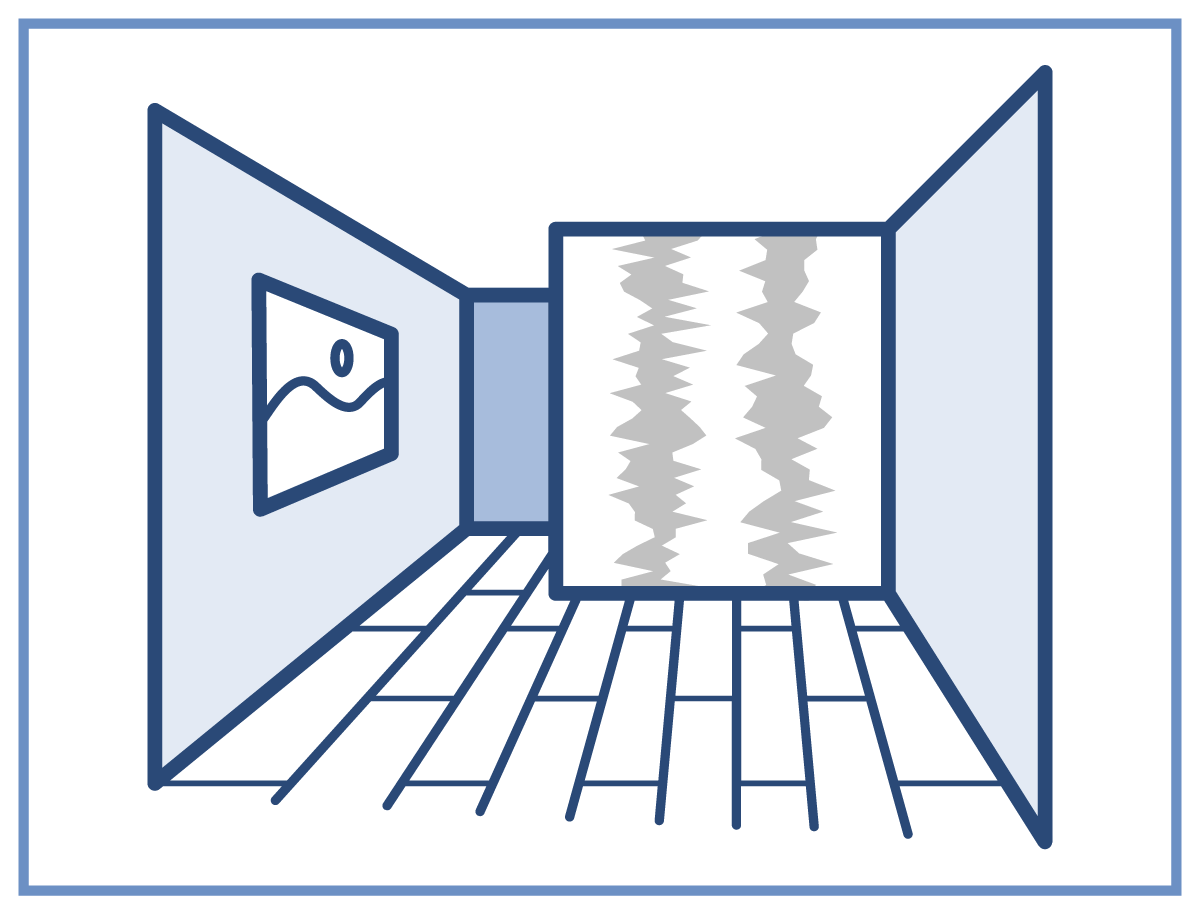
Ghosting lines, also called bridging, thermal tracking, or ghost stains, are dark streaking along rafter and stud lines on the interior ceilings and walls of a building. These lines are often mistaken for mold, though there are a few noticeable differences. Where ghost stains tend to follow relatively uniform lines, mold will form in more random patches. Ghosting lines have a smooth texture and are strictly grey or black, while mold is fuzzy or slimy, and can appear black, green, blue, or even red.
Are Ghosting Lines Dangerous?
While it is certainly a relief to realize the marks are not mold, there is still a slight health issue that accompanies them. Bridging is caused, at its most simple, by poor air quality and ventilation, which could lead to respiratory problems over time. The dark marks come from pollutants and particulates throughout the home. This can include anything from candles, incense, firewood, cigarettes, cooking smoke, pet dander, and anything that makes it in through a drafty window. If your HVAC filter and other fans or vents are dirty, that will also contribute.
Where Do Ghosting Lines Come From?
Just having the particulates in the air does not guarantee that you will have ghosting lines. Something has to draw them together. Primarily, this is done by variations in temperature and humidity. Some building materials conduct heat well, giving it ways to leave, and leading to uneven surface temperatures on the walls. If humidity inside the building is high, then cool surfaces — for example, the wall over the studs and rafters where the heat was just removed — will start to gather condensation. Low humidity can lead to static electricity, which will gather the particulates together. Then, with poor ventilation and insulation, the condensation builds in the walls, while static electricity builds elsewhere, leading to ghost lines.
Will Metal Building Kits Get Ghosting Lines?
Any building can get ghosting lines in the right conditions. If your metal building kit does not receive the needed insulation or ventilation, and if you do not take care of regular cleaning, there is always a possibility of ghost stains. However, if your steel building kit is manufactured responsibly, erected as instructed, and maintained well, ghost lines should not be an issue.
Do RHINO’s Metal Building Kits Get Ghosting Lines?
RHINO Steel Building Systems has never received a complaint about ghosting, and we strive every day to keep that record. We do this by using fewer framing pieces, which means there are few locations for thermal bridging — when the heat flows out through the framing, leaving a cold spot. Additionally, every RHINO design includes deep walls, which leaves room for our thick insulation and fabric vapor barrier, maximizing temperature maintenance and reducing the chance of condensation. Our Pro-Value Insulation Package also provides a second layer of insulation between the purlins and metal sheathing for an additional thermal break.
Removing and Avoiding Ghosting Lines
If you have ghosting lines, it isn’t the end of the world. Most will go away with some warm water and dish soap (or similarly mild detergent), and a splash of white vinegar or some baking soda on your cloth or sponge will do the trick for the more stubborn stains. Just be careful not to saturate the wall.
From there, it’s just a matter of prevention. Clean your filters, seal up drafts, and add insulation if needed. Or, you can avoid all the mess entirely with a metal building kit from RHINO. If you are interested or have questions, give us a call. If you want to see what’s possible in a steel building kit, check out our Rhino Steel Building Systems 3D designer.